
ingrown hairs
How to get rid of razor bumps on legs

Freshly shaved legs should be soft, smooth and silky, but sometimes things don't go quite to plan. No matter how skilled you might feel with a razor in hand, razor bumps can still sneak up on you when you least expect it. But there's no need to worry. We’ve been designing razors for over a century, so we’ve put together a handy guide on how to get rid of razor bumps… and how to stop them from returning.
Key Takeaways
-
The Difference: Learn how to distinguish between razor bumps and razor burn.
-
Root Causes: Understand why ingrown hairs and shaving techniques cause irritation.
-
Treatment Tips: Effective ways to get rid of razor bumps, from exfoliation to warm compresses.
-
Healing Time: Find out how long razor bumps typically last on legs.
-
Prevention: Expert advice on shaving gels, blade quality, and post-shave care.
How to get rid of razor bumps overnight and the difference between razor bumps and razor burn
Razor bumps can often get confused with razor burn which is actually something entirely different. A razor burn is experienced immediately after shaving, usually characterised by tight, red, itchy and sore skin. On the other hand, razor bumps occur when the shaved hair grows back but hair curls inward under the skin, creating an ingrown hair and leading to skin irritation.
Razor bumps are often caused when hair curls back into the skin as it regrows. Additionally, new skin cells can grow over these ingrown hairs, trapping them beneath the surface and causing a bump to appear. If you’ve got any burns or bumps on your legs, it might be time to review your leg-shaving technique.
What causes razor bumps?
Razor bumps can be caused by the way you shave, the razor you use, and the shaving techniques you follow, as well as your skin type and your hair type. If you’re using a dull blade, shaving in a rush, or not hydrating your skin beforehand, there’s a good chance that a few unruly hairs will decide to poke themselves under your skin.
Shaving against the direction of hair growth can increase irritation and the risk of razor bumps, so it’s recommended to shave in the direction of hair growth for better results. Unfortunately, if you have naturally curly or coarse hair, you’re more likely to experience those annoying bumps. Razor bumps are more common in individuals with curly or coarse hair because the hair tends to curl back into the skin after shaving, leading to ingrown hairs and inflammation.
How to get rid of razor bumps
Usually, razor bumps will go away on their own, but they can cause itchy bumps that may resolve with proper care, and there are a few ways to quicken up the process.
Don't shave over the affected area
No matter how tempting it might be, don’t shave the area where the razor bumps are. Attempting to take out your razor once again will only further irritate your skin. Avoid shaving for several days to allow your skin to breathe and the inflammation to subside. Instead, wait a few days and allow the area to fully heal before your next shave (with more success this time).
Exfoliate the skin
Exfoliating before shaving removes dead skin cells that can block hair follicles and helps prevent razor bumps. Since razor bumps are caused by ingrown hairs, exfoliating is a great way to remove any dry, dead skin cells that could be pushing the hair further into your skin. You might even be lucky enough to release the ingrown hair after a little bit of gentle exfoliation. For best results, exfoliate the skin 2-3 times a week with a mild scrub to help prevent ingrown hairs and reduce the occurrence of razor bumps.
Moisturise, moisturise, moisturise
As soon as you spot any bumps arise, apply some moisturising cream. Not only will this reduce any inflammation or discomfort, it’ll also help to replenish the skin's natural oils, which can be stripped away during shaving. Friction against the affected area is more likely to occur if your skin is dry. For this reason, it’s crucial to keep your skin hydrated at all times. Avoid moisturisers or products containing alcohol or heavy fragrances, as these can aggravate razor bumps.
Apply a warm compress
Using a warm washcloth or steaming the area before shaving can help soften the skin and draw out ingrown hairs, making it easier to shave without irritation. Placing a warm compress, such as a towel, over the affected area for 5–10 minutes can soften the skin, help trapped ingrown hairs break through the surface, and reduce inflammation. Repeating this process for a few minutes each day will help to encourage that troublesome hair back out of your skin. Soaking your skin in a warm bath or taking a warm shower can also work well.
Try to release the hair
You should only try to release the hair once it's visible. If you can't see it, don't try to dig around for it. Patience is key here. But once you do see the hair emerge, apply a warm compress once again. Then, take a pair of sterile tweezers and gently pull the hair out from underneath the skin.
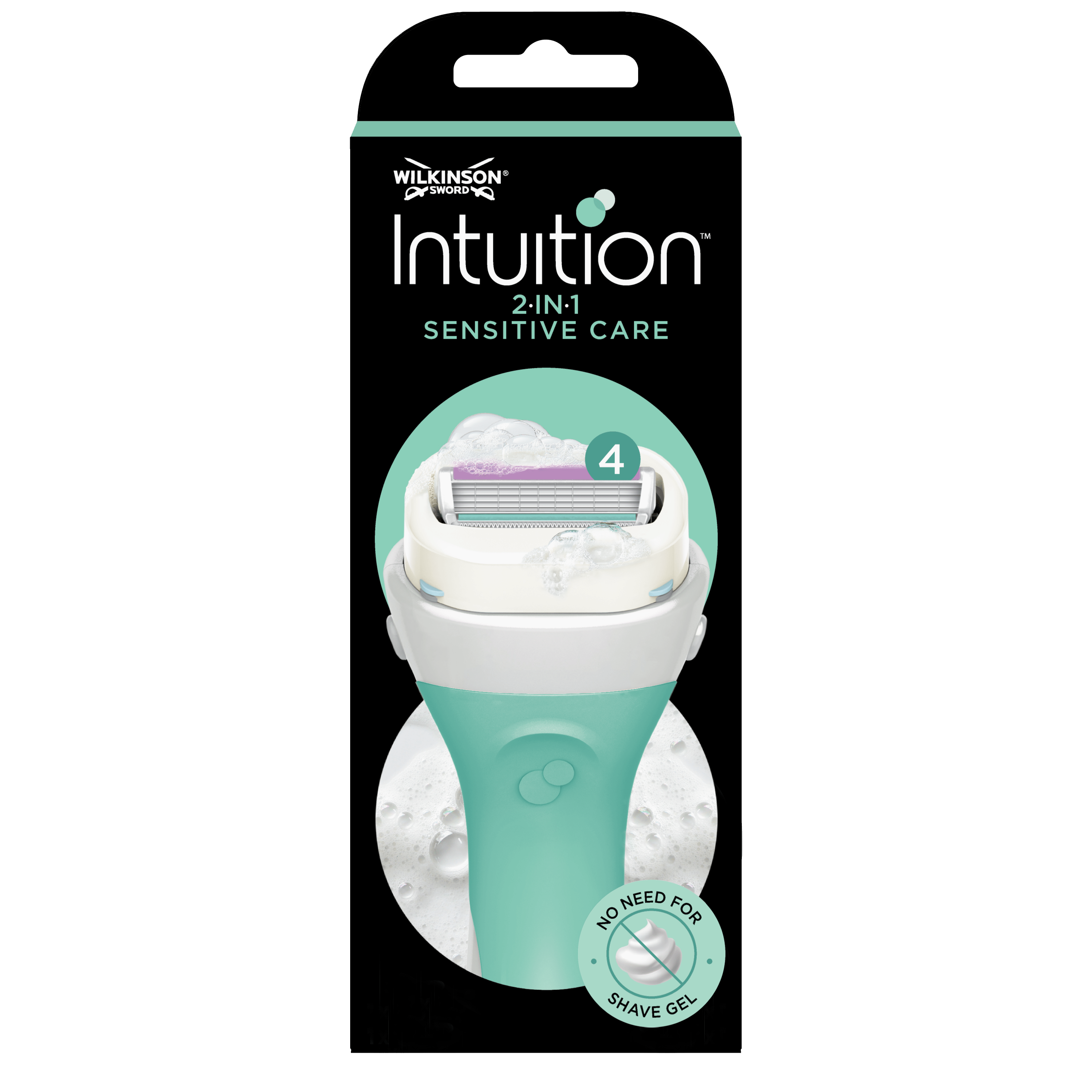
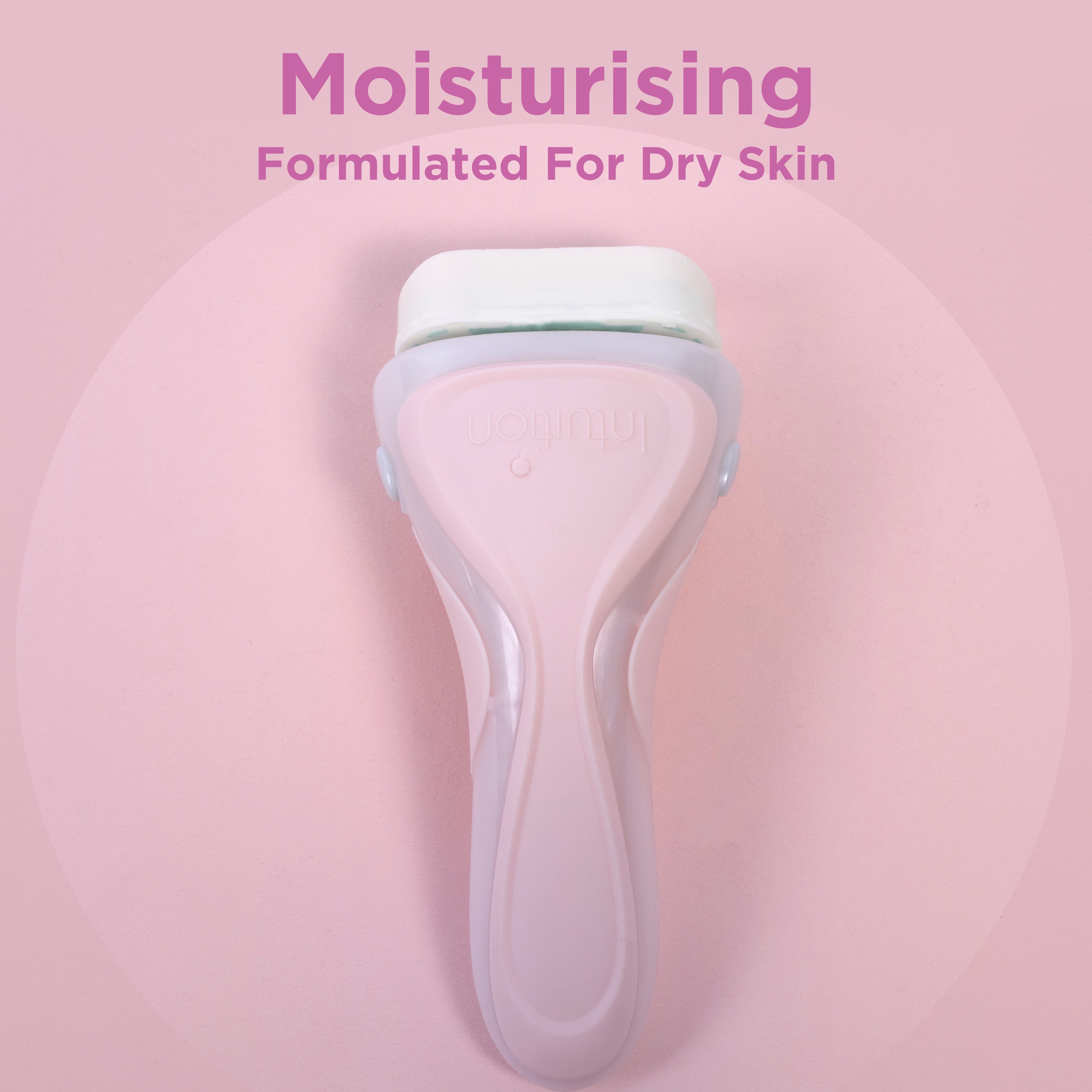
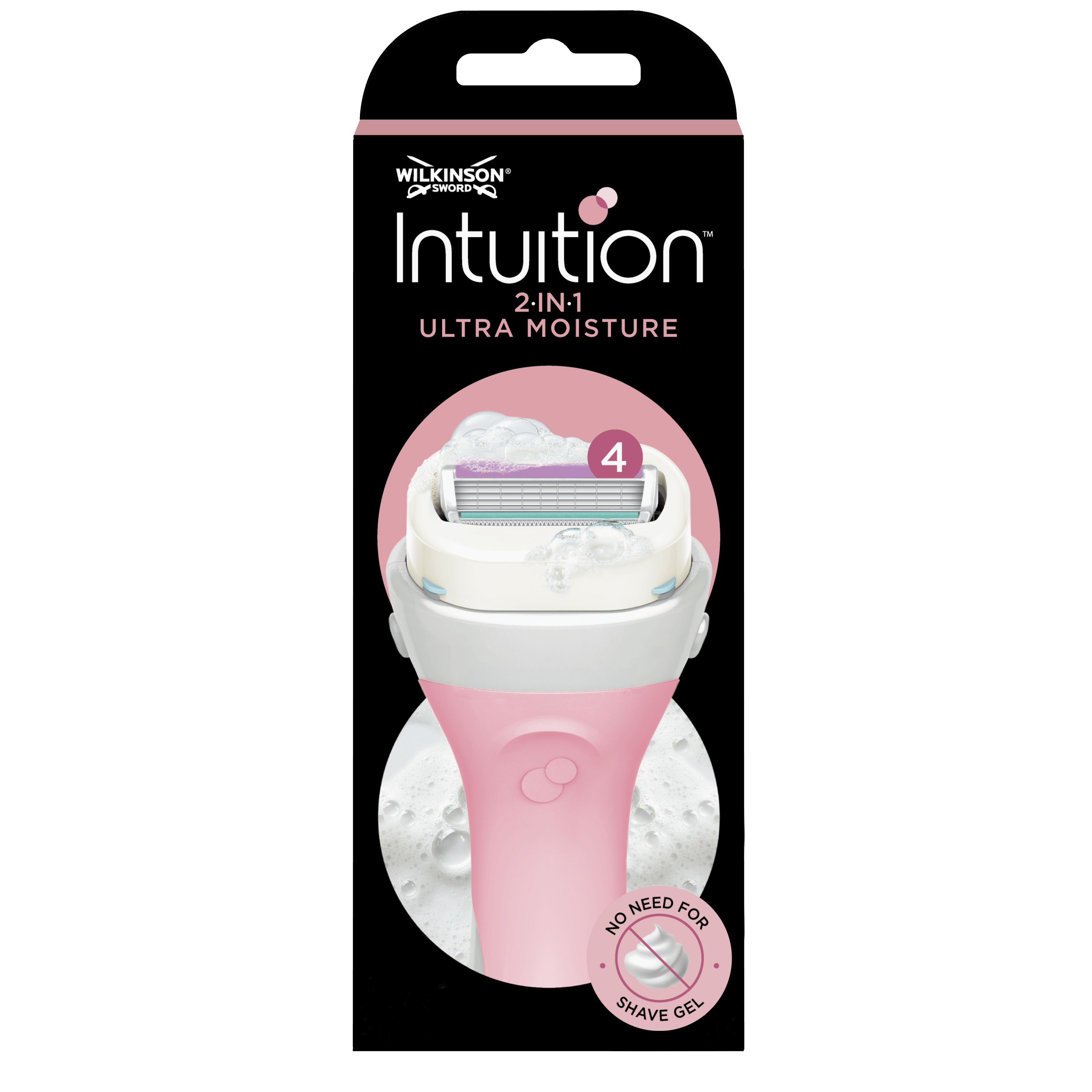
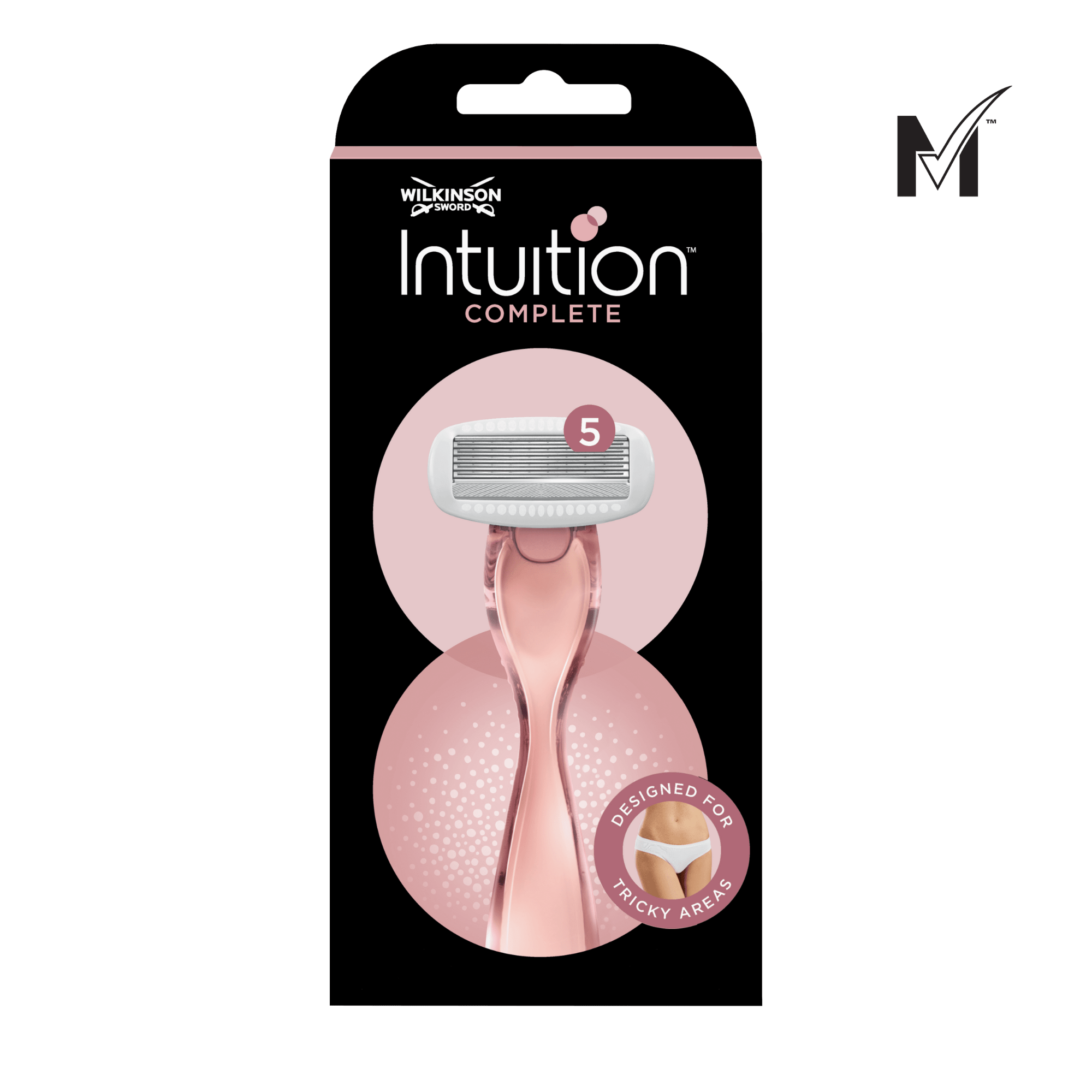
4 blades and moisturising solid lathers and shaves in one step! With aloe and Vit E. 4 blades and moisturising solid lathers and shaves in one step! With shea butter 5 blades and a slim razor head provide a smooth close shave even in tricky areas.
Intuition Sensitive Care Razor & Blade Pack
Intuition Ultra Moisture Razor & Blade Pack
Intuition Complete Razor & Blade Pack


How long do razor bumps last on legs?
Razor bumps typically linger for around two to three weeks. In some cases, they can last a little longer, but they should always resolve themselves naturally. However, if you notice any razor bumps which are abnormally painful or persistent, always seek advice from your GP.
Ways to prevent future razor bumps
If shaving your legs makes up a regular part of your beauty routine, it’s important to follow a proper shaving routine and use proper shaving techniques to achieve silky smooth skin and prevent razor bumps. After all, shaving your legs should be a smooth experience (quite literally). But just a few simple mistakes is all it takes for things to go from smooth to bumpy…
Cleanse and apply shaving gel first
Hydrating your skin before you shave helps to soften both your skin and your hair. Whilst taking a warm bath or shower, you can gently scrub away any dead skin cells or dirt that could otherwise trap any cut hairs. Applying a layer of shaving gel also helps your razor blade to work more efficiently, and using a sharp razor is essential for minimising skin irritation as it moves across the skin. Wearing loose-fitting clothing after shaving can prevent friction and minimise irritation, while tight clothing that rubs against freshly shaved skin can exacerbate razor bumps.
Use a good quality razor and blade
Using a dull blade is a problem just waiting to happen. Always use a sharp, fresh razor blade when shaving your legs to minimise the chances of cuts or bumps. Change your razor blade every 5-7 shaves to reduce trauma to the skin and help prevent razor bumps. Using a sharp, clean razor is essential for minimising irritation and preventing razor bumps, as dull blades can tug at the hair and irritate the skin. Using a high-quality razor is also important. At Wilkinson Sword, we know that mastery comes from focus, and we've spent 250 years mastering the art of the blade.
Don't rush your shave
We know how easy it can be to grab a razor and give your legs a quick, rushed shave before you leave the house. But using quick, short, repetitive strokes often leads to razor bumps. Instead, use proper shaving techniques, such as gentle strokes and not going over the same area multiple times, to help prevent razor bumps.
Replenish your skin
Once you’ve finished shaving your legs, it’s important to replenish your skin with the moisture lost during shaving. Try using a moisturising lotion or balm to stop your skin from feeling tight, irritated or dry. It’s also a good idea to avoid wearing any tight clothing immediately after shaving, as tight clothing can cause friction and exacerbate razor bumps and irritation. Instead, opt for loose-fitting clothing to help your skin heal and prevent further irritation. It’s always best to try and stop the razor bumps before they occur. So next time you decide to get rid of leg hair, take the time to perfect your technique first!


